
How to Lose Weight Fast: A Realistic, Science Backed Guide
- July 29, 2026
- 10:56 am
What Really Happens
Almost everyone searching “how to lose weight fast” has tried something before. A diet that worked for a few weeks. A workout plan that got dropped after a busy month. A juice cleanse that left them hungrier than when they started.
The truth is, fast weight loss and lasting weight loss are not the same goal, and treating them as one is usually why people end up back where they started. This guide breaks down what actually moves the needle, why quick fixes rarely stick, and how a few small, consistent changes tend to outperform any crash diet.

Understanding How Weight Loss Actually Works
At its core, weight loss comes down to energy balance. When your body consistently uses more energy than it takes in, it draws on stored fat for fuel, and the number on the scale goes down over time.
What most people underestimate is everything that influences that balance behind the scenes: sleep quality, stress levels, hormones, muscle mass, hydration, and even the emotional relationship someone has with food. That’s why two people eating the exact same meals can lose weight at very different rates. Fast, sustainable results come from adjusting several of these levers together, not from restricting food alone.
Movement That's Realistic to Repeat
Consistency tends to matter more than intensity for long-term results. General public-health guidance commonly points to:
- A mix of cardio (walking, cycling, swimming) and strength training a few times a week.
- Strength training, since muscle is associated with higher energy use even at rest.
- Everyday movement — stairs, walking after meals — adding up over a week.
- Rest days as part of the process, not a setback, since recovery is when the body adapts.
As always, anyone starting a new exercise routine, especially with an existing health condition, should check with a physician first.
Ready to Reclaim Your Calm?
Take the first step toward deeper confidence, clarity, and emotional balance. Book your hypnotherapy session today and begin creating lasting change from within, one calm breath at a time now.
2. Move Your Body in Ways You'll Actually Repeat
The best exercise plan is the one you’ll stick with. Consistency beats intensity when it comes to long term results.
- Aim for a mix of cardio (walking, cycling, swimming) and strength training two to three times a week.
- Strength training matters more than people realize, since muscle helps the body burn more energy even at rest.
- Daily movement, like taking the stairs or walking after meals, adds up over a week more than a single intense workout.
- Rest days are part of the process, not a setback. Recovery is when the body adapts.
3. Protect Your Sleep
Sleep is one of the most overlooked pieces of weight loss. Poor sleep disrupts hunger hormones like ghrelin and leptin, which can increase cravings for high calorie foods the next day.
Aim for seven to nine hours of consistent, quality sleep. Going to bed and waking up around the same time each day, even on weekends, can make a noticeable difference in appetite control within a couple of weeks.
4. Address Stress and Emotional Eating
Many people eat in response to stress, boredom, or emotion rather than physical hunger, and no amount of willpower fixes that on its own. Recognizing the difference is the first step toward changing the pattern.
Physical Hunger | Emotional Hunger |
Builds gradually over hours | Comes on suddenly |
Open to different food options | Craves a specific comfort food |
Stops once you’re full | Continues even after eating |
Doesn’t come with guilt | Often followed by guilt |
If this pattern sounds familiar, tools that target the subconscious drivers of eating, like relaxation techniques, journaling, or hypnotherapy, can be more effective than another round of calorie counting.
5. Track Progress Without Obsessing Over the Scale
The scale is only one measurement, and it can be misleading day to day due to water retention and hormones. A more complete picture includes:
- How your clothes fit
- Energy levels throughout the day
- Strength and endurance improvements
- Progress photos taken every few weeks
- Sleep quality and mood
Checking in weekly rather than daily tends to keep motivation steadier and reduces the discouragement that comes from normal fluctuations.
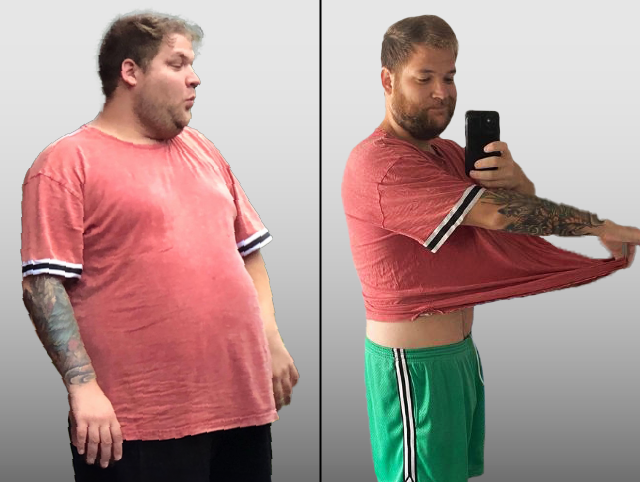
At its core, weight loss comes down to energy balance. When your body consistently uses more energy than it takes in, it draws on stored fat for fuel, and the number on the scale goes down over time.
What most people underestimate is everything that influences that balance behind the scenes: sleep quality, stress levels, hormones, muscle mass, hydration, and even the emotional relationship someone has with food. That’s why two people eating the exact same meals can lose weight at very different rates. Fast, sustainable results come from adjusting several of these levers together, not from restricting food alone.
Common Weight Loss Mistakes (General Observations)
| Mistake | Often-Suggested Alternative |
|---|---|
| Cutting calories too drastically | A moderate, sustainable deficit |
| Skipping meals to “save” calories | Balanced meals to avoid overeating later |
| Doing only cardio | Adding strength training to help protect muscle |
| Expecting overnight results | Tracking progress over weeks, not days |
| Ignoring sleep and stress | Treating them as part of the bigger picture |
| Relying only on willpower | Looking at the habits and mindset behind eating |
( DO YOU HAVE QUESTIONS )
Common Questions About Weight Loss Hypnotherapy
Most health guidelines suggest one to two pounds per week as a sustainable pace. Faster loss is possible in the first week or two, but that's usually water weight rather than fat.
A combination of a moderate calorie deficit, regular strength and cardio exercise, enough protein, consistent sleep, and stress management tends to produce the quickest results that actually last.
Research suggests hypnotherapy can support weight loss by improving motivation, reducing emotional eating, and helping people stick with healthier habits, especially when combined with a solid nutrition and exercise plan.
Initial weight loss often includes water weight, so the rate naturally slows as your body adjusts. Plateaus are normal and usually mean it's time to reassess habits like sleep, stress, or activity level rather than cutting calories further.
Not necessarily. Choosing whole, fiber rich carbs over refined ones tends to work better long term than eliminating carbs altogether, which is hard to sustain.
Yes, and it's often more about habit and emotional triggers than food choice alone. This is exactly the kind of pattern that mindset focused approaches, including hypnotherapy, are designed to address.