
There’s a particular kind of tiredness that has nothing to do with how sleepy you actually feel. Hypnotherapy for sleep improvement is usually something people start looking into after a very specific kind of night: you lie down, close your eyes, and your brain decides that now is the perfect time to replay an awkward conversation from 2019 or start planning tomorrow’s to-do list in painstaking detail. An hour later you’re still staring at the ceiling, doing math you don’t want to do about how many hours of sleep you have left.
If that sounds familiar, you’ve probably already tried the usual advice. Put the phone away. Keep the room cool. Avoid caffeine after 2pm. Some of it helps a little. But when the real problem is a mind that won’t switch off, those tips can only do so much. This is where hypnotherapy tends to surprise people, because it works with the part of the problem that sleep hygiene checklists don’t touch: the racing, anxious, overactive thinking that keeps you awake in the first place.
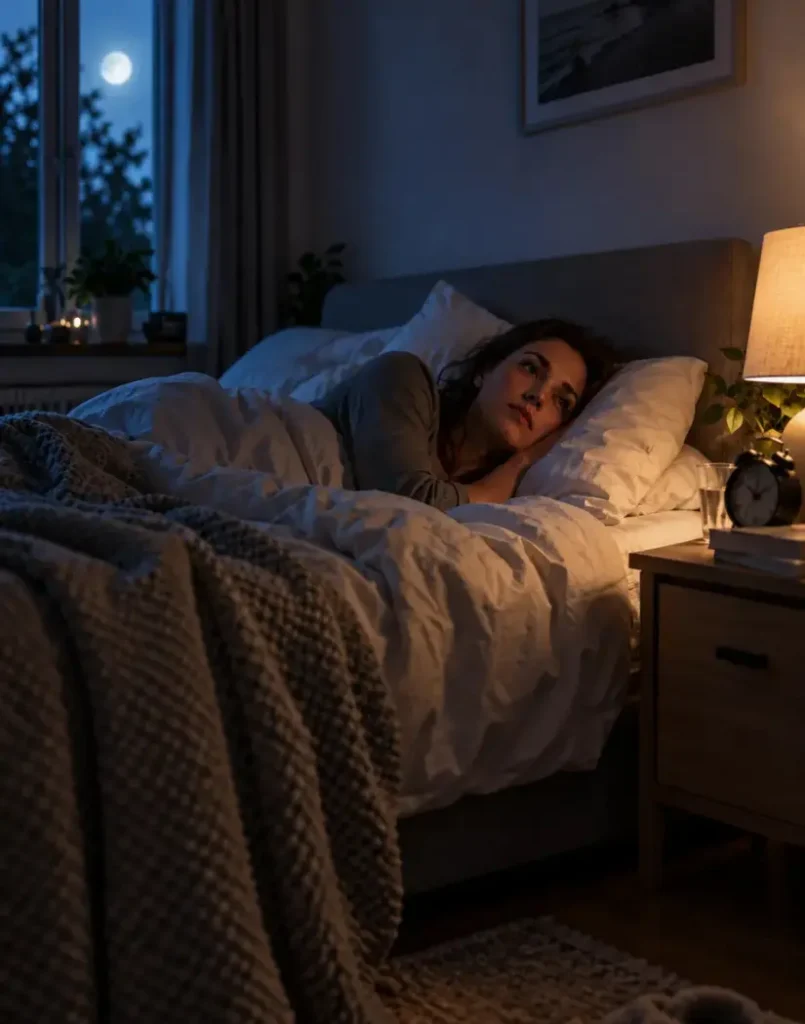

Falling asleep is supposed to be automatic. Your body is built for it. So why does it feel like such a struggle for so many people?
Usually it comes down to a few overlapping issues:
None of these are things you can fix by simply deciding to relax. Telling an anxious brain to calm down rarely works, in the same way telling yourself not to think about something almost guarantees you’ll think about it. That’s part of why hypnotherapy can be such a useful tool. It doesn’t ask your mind to force relaxation. It guides it there.
Take the first step toward deeper confidence, clarity, and emotional balance. Book your hypnotherapy session today and begin creating lasting change from within, one calm breath at a time now.
Before going further, it helps to clear up what hypnotherapy is not. It isn’t a stage act. Nobody is going to make you cluck like a chicken, and you won’t lose control of your own thoughts or actions. You’re not “under” anyone’s power, and you can’t get stuck in a trance.
What hypnotherapy actually involves is a guided state of deep focus and relaxation, similar to that drowsy, absorbed feeling you get right before falling asleep or while completely lost in a good book. In that state, the analytical, on guard part of your mind quiets down, and you become more receptive to calming suggestions and new ways of thinking about sleep.
A sleep focused hypnotherapy session usually moves through a few stages:
Most people describe it as deeply relaxing rather than strange or unfamiliar. You remain aware of your surroundings the entire time. You could get up and answer the door if you needed to. It’s closer to a guided meditation than anything mysterious, just with a more specific focus and a therapist steering the process based on your particular sleep struggles.
There isn’t one single mechanism at work here. Hypnotherapy tends to help with several parts of the sleep puzzle at once:
That last point matters more than people expect. Just like your body learned, without any conscious effort, that certain sounds or smells mean it’s time to eat, it can relearn that a particular breathing pattern, phrase, or piece of audio means it’s time to sleep.
Hypnotherapy is one option among several, and it’s worth seeing how it stacks up against other common approaches.
|
Approach |
How It Works |
Typical Time to Notice a Difference |
Best Suited For |
|
Hypnotherapy |
Guided relaxation and suggestion to calm the mind and body |
A few sessions, though some people notice a difference right away |
Racing thoughts, stress related sleeplessness, sleep anxiety |
|
Cognitive Behavioral Therapy for Insomnia |
Restructures thoughts and habits tied to sleep |
Several weeks |
Long standing insomnia and unhelpful sleep beliefs |
|
Sleep Medication |
Alters brain chemistry to induce drowsiness |
Same night |
Short term or situational sleeplessness |
|
Basic Sleep Hygiene Changes |
Adjusts environment and habits, such as light and screen use |
Days to a couple of weeks |
Mild or occasional sleep disruption |
These approaches aren’t mutually exclusive. Many people combine hypnotherapy with better sleep habits, or use it alongside other treatments recommended by a doctor. It’s simply one more tool, and for a lot of people, it happens to be the missing piece.
You don’t need a therapist in the room to borrow some of these principles. Here are a few simple techniques worth trying on your own:
If self guided techniques only get you partway there, working with a trained hypnotherapist can go deeper, since sessions are shaped around your specific patterns rather than a general script.
A typical first session usually includes:
At The Hypnosis Zone, sessions with Mayer Chemtob, a board certified hypnotist, are conducted through telehealth, which means you can work through sleep issues from home rather than in an unfamiliar office. First sessions run about an hour, and follow up sessions are somewhat shorter, giving enough time to build on what worked before.
Hypnotherapy tends to be a good fit if:
It’s worth mentioning that hypnotherapy isn’t a replacement for medical care. If you’re dealing with a diagnosed sleep disorder, chronic pain, or another condition affecting your sleep, it’s worth checking in with a doctor as well. Hypnotherapy works well as part of a broader approach to rest, not necessarily as the only piece of it.
Struggling to sleep can feel like a problem with no clear fix, especially once you’ve tried the obvious things. Hypnotherapy offers a different angle: instead of fighting your racing thoughts, it teaches your mind and body how to let go of them.
If you’d like some support getting there, Mayer Chemtob at The Hypnosis Zone offers telehealth hypnotherapy sessions focused on better sleep, along with support for stress, anxiety, and other everyday struggles that tend to keep people up at night. A free ten minute phone consultation is available if you’d like to talk it through before booking a full session.
It varies from person to person. Some people notice a change after just one or two sessions, while others benefit from ongoing sessions over a few weeks as new habits take hold. A hypnotherapist can give you a better sense of what to expect once they understand your specific situation.
Yes, for most people. It's a calm, guided process, and you remain aware and in control throughout. As with any form of therapy, it's a good idea to work with someone qualified, and to mention any relevant medical history beforehand.
Most people can enter a hypnotic state to some degree, though the depth varies from person to person. Being open to the process and willing to relax tends to matter more than any particular personality trait.
No. You stay aware of your surroundings and in control of your own actions the entire time. You can't be made to do or say anything against your will, and you can bring yourself out of the state whenever you choose.
Both, really. Some people use it during a particularly stressful stretch of life, while others turn to it for sleep struggles that have been going on for years. The techniques flex to fit either situation.
Recordings can genuinely help, especially for milder or occasional sleep trouble. But if your sleep issues are tied to deeper stress, anxiety, or long standing habits, working with a hypnotherapist directly tends to get to the root of it more effectively, since the sessions are shaped around you rather than a general audience.