
Does Hypnosis Really Work?
Does Hypnosis Really Work? An Honest Look at What It Can and Can't Do
Ask ten people whether hypnosis works and you’ll probably get ten different answers. Some swear it helped them sleep, quit a habit, or finally calm down before a big event. Others picture a stage show where someone clucks like a chicken and assumes the whole thing is theater.
The truth sits somewhere in the middle. Hypnosis is a real technique with real research behind it, but it isn’t magic, and it doesn’t work the same way for everyone. In this post we’ll look at what hypnosis actually is, what the evidence says, why some people respond better than others, and how to decide whether it’s worth trying for you.

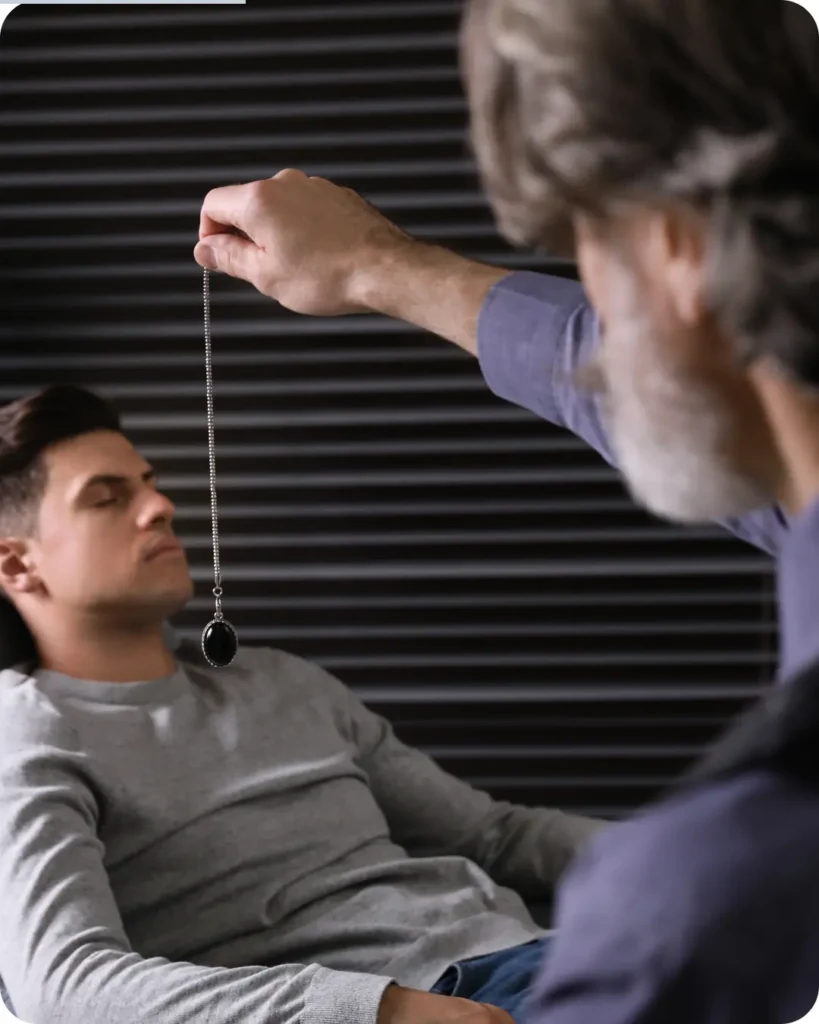
What Hypnosis Actually Is
Hypnosis is a state of focused attention and deep relaxation. During a session, a trained practitioner guides you to settle your mind, tune out distractions, and become more open to helpful suggestions. That kind of absorbed, inward focus is a close cousin of the hypnotic state.
Hypnotherapy is simply the use of hypnosis for a specific purpose, like easing stress, improving sleep, or supporting a change in habits. The relaxation is the doorway, and the work you do once you’re there is what matters.
What it feels like
Most people describe it as calm and comfortable. You’re awake, you can hear everything, and you stay in control the whole time. Some people feel heavy or floaty. Others feel pleasantly relaxed and notice very little else going on around them. A few people feel like nothing “special” happened at all, and that’s completely normal too. There’s no single right way to feel.
Ready to Reclaim Your Calm?
Take the first step toward deeper confidence, clarity, and emotional balance. Book your hypnotherapy session today and begin creating lasting change from within, one calm breath at a time now.
What it is not
- It is not sleep or unconsciousness
- It is not mind control
- It will not make you say or do something against your values
- It is not something a practitioner can force on you
- It is not a replacement for medical care
Stage hypnosis and clinical hypnosis are very different things
A lot of confusion comes from mixing up entertainment with therapy. The two share a name, but they have different goals.
|
Stage hypnosis |
Clinical hypnotherapy |
|
|
Purpose |
Entertainment |
Support with a personal or health goal |
|
Setting |
Theater or event |
Private, quiet, one on one |
|
Volunteers |
Chosen for being highly responsive and willing to play along |
Anyone who wants to work on something |
|
Outcome |
A fun show |
Practical, personal change |
|
Who is in charge |
Performer directs the act |
You and the practitioner work together |
Once you see that difference, a lot of the skepticism starts to make sense. Judging therapy by what you saw on a stage is a bit like judging a doctor by a hospital drama.
How Does Hypnosis Work in the Brain?
Researchers are still learning exactly how hypnosis works, but brain imaging studies offer some interesting clues. They suggest that hypnosis can change how the brain handles attention, how it monitors what’s going on around you, and how strongly you react to certain sensations or thoughts. In simple terms, it seems to help people narrow their focus and become more receptive to new ways of thinking and responding.
That helps explain why hypnosis tends to be useful for things like pain, stress, and habits. These are all areas where the way we pay attention and the way we interpret signals play a big role. Changing the experience can sometimes change the response.
It’s also worth saying that scientists don’t have every answer yet. Anyone who claims to fully understand hypnosis is overselling it, and that’s one reason it pays to stay curious and realistic.
So, Does Hypnosis Really Work?
-
For many people and for certain goals, yes. Research has found real benefits in several areas, though the strength of the evidence varies quite a bit depending on what you’re trying to address.
What the research suggests
Area
What studies generally show
Strength of evidence
Pain management
Can reduce how intense pain feels and how distressing it is
Fairly strong
Irritable bowel symptoms
Gut focused hypnotherapy has helped many people with symptoms
Strong
Anxiety and stress
Often helps people relax and respond more calmly
Moderate
Sleep problems
May improve how quickly people fall asleep and how well they rest
Moderate
Nervousness before medical procedures
Can help people feel calmer and more comfortable
Moderate
Smoking cessation
Results are mixed, and some people do very well
Mixed
Weight management
Small added benefit when combined with other healthy habits
Limited to moderate
Where results are more mixed
-
It’s worth being upfront about this. When it comes to quitting smoking or losing weight, hypnosis isn’t a guaranteed fix. Some people have great success, and others see little change. Studies comparing it to other methods haven’t always found it to be clearly better, but that doesn’t mean it can’t help you. It often works best as one part of a bigger plan that includes motivation, support, and practical changes in daily life.
The same goes for stress and sleep. Hypnosis can give you a reliable way to slow down and unwind, but it works best when you also look at what’s causing the stress or disrupting your rest in the first place.
Real life results tend to look quieter than the movies
When hypnosis helps, it rarely looks dramatic. It usually shows up as small shifts. You fall asleep a little faster. A craving feels easier to ride out. A situation that used to spike your anxiety feels more manageable. Those small changes add up, and over a few weeks they can feel significant.
Why Some People Respond Better Than Others
If you’ve ever wondered why hypnosis seems to click for your friend but not for you, there are a few common reasons.
- Willingness: People who are open to the process tend to get more out of it
- Comfort with imagination: Being able to picture scenes and sensations helps
- Trust: Feeling safe and comfortable with the practitioner matters a lot
- A clear goal: Specific goals tend to work better than vague ones
- Motivation: Wanting the change for yourself, not for someone else, makes a real difference
- Practice: Many people do better with a few sessions and some practice at home between them
Can everyone be hypnotized?
Not equally. Most people can experience at least some level of hypnosis, but some respond more deeply than others. Being skeptical doesn’t automatically rule you out. In fact, plenty of skeptics end up pleasantly surprised. Curiosity and a willingness to give it a fair try go a long way.
What if I can’t relax easily?
This is more common than you’d think. Many people who have trouble relaxing are exactly the ones who find hypnosis useful, because it teaches the skill step by step. A good practitioner will adjust the pace and style to suit you, so you’re not left struggling to “do it right.”
Common Myths About Hypnosis
A lot of the doubt around hypnosis comes from how it’s shown in movies and on stage. Here are a few things worth clearing up.
- Myth: You lose control. Reality: You stay aware and can stop anytime.
- Myth: It works instantly on everyone. Reality: Results vary, and many people need more than one session.
- Myth: It can dig up hidden secrets. Reality: You only share what you choose to share.
- Myth: You can get stuck in a trance. Reality: You can open your eyes and come back whenever you like.
- Myth: Only gullible people can be hypnotized. Reality: Focus and imagination matter far more than being easily led.
- Myth: It replaces medical care. Reality: It can support treatment but shouldn’t replace it.
What a Hypnotherapy Session Looks Like
-
Many people are surprised by how ordinary it feels. Here’s roughly what to expect, especially if you’re booking your first session.
Before the session
You’ll usually have a chance to ask questions, share what you’re hoping to change, and go over any forms. A short phone call beforehand can help you see whether the practitioner feels like a good fit.
During the session
The practitioner will talk with you about your goals and what’s been getting in the way. Then you’ll be guided through relaxation, often with a calm voice, gentle breathing, and imagery. Once you’re settled, the practitioner offers positive suggestions tailored to your goal. These are chosen with you, not dropped on you. Afterward, you’ll talk through how it went.
After the session
Some people feel deeply relaxed or a little sleepy. Others feel energized. You might be given a short practice to try at home, like a breathing exercise or a few minutes of guided relaxation, to help the changes settle in.
Does it work online?
Yes, and many people actually prefer it. You can relax at home in a space that already feels familiar, without commuting or sitting in a waiting room. A quiet room, a comfortable chair, a pair of headphones if you like, and a decent internet connection are really all you need.
How to Get the Most Out of Hypnosis
A few simple habits can make a real difference to your results.
- Go in with a clear, specific goal, even if it’s a small one
- Be honest with your practitioner about what you want and what worries you
- Give yourself a calm, interruption free space for sessions
- Practice any techniques you’re given, even for just a few minutes a day
- Give it time, since most people need more than one session
- Pair it with practical steps, like better sleep routines or a plan for your triggers
Hypnosis With a Professional or on Your Own?
Self hypnosis recordings and apps can be a nice way to relax and build a routine. They’re easy to access and can be a good starting point. Working with a trained professional adds something different, which is personalization. A practitioner can listen to what’s going on for you, adjust in the moment, and shape the suggestions around your situation rather than offering something generic.
Many people use both. They work with a practitioner for guidance and use recordings or simple exercises at home to keep the momentum going.
How to Choose a Hypnotherapist
If you decide to give it a try, it’s worth taking a little time to choose well.
- Look for professional training and credentials
- Check whether they hold a license in a related field, such as counseling
- Read reviews or testimonials from real clients
- Ask whether they offer a short introductory call
- Notice how comfortable you feel talking with them
- Be cautious of anyone who guarantees results or promises a cure
That last point matters. A trustworthy practitioner will be honest about what hypnosis can and can’t do.
How to Know If Hypnosis Is Worth Trying
It may be a good fit if you
- Want support with stress, sleep, or building healthier habits
- Feel stuck and want a different approach
- Are comfortable with relaxation and guided imagery
- Are looking for a gentle option to use alongside other support
When to talk to a doctor first
If you’re dealing with a medical condition, severe anxiety, depression, or anything that feels serious, check in with your doctor or a licensed professional first. Hypnosis can be a helpful addition, but it works best as part of a complete picture of your care.
( DO YOU HAVE QUESTIONS )
Common Questions About Hypnotherapy
There's solid research supporting it for things like pain management and certain digestive symptoms, and promising evidence in areas like stress and sleep. For other goals, the research is mixed, and results depend on the person.
It depends on your goal and how you respond. Some people notice changes after a session or two. Others benefit from a short series of sessions. A good practitioner will talk with you about what's realistic.
It helps some people, especially when they're already motivated to quit. Because results vary, many people use it alongside other support rather than relying on it alone.
It may help with motivation, mindset, and your relationship with food, which can support healthier habits. It works best alongside sensible eating and movement, not as a stand alone solution.
Many people find that the relaxation skills they learn make it easier to wind down at night. If sleep problems are severe or ongoing, it's a good idea to talk with a doctor as well.
For most people, yes. Hypnosis is generally considered low risk when done by a trained professional. It isn't a substitute for medical or mental health treatment where that's needed.
Yes. Many people find online sessions just as effective, and they're often more comfortable and convenient.
Most people remember most or all of it. You're not unconscious, and you're aware of what's going on throughout.
It can. You don't have to believe in it for it to work, but you do need to be willing to take part. An open mind helps more than blind faith ever would.
Look for small changes over time, like feeling calmer, sleeping a bit better, or finding it easier to handle a habit or trigger. Your practitioner can help you track progress and adjust the approach if needed.